 Techo Reads
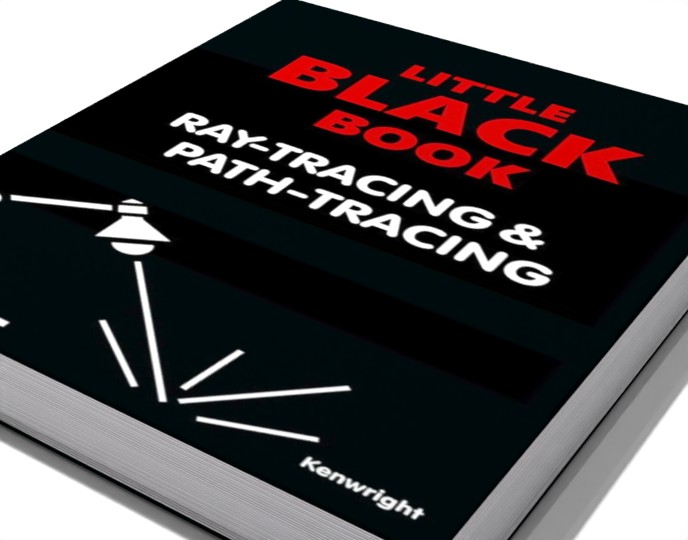
Little Black Book of Ray-Tracing and Path-Tracing
A comprehensive guide to mastering graphics, compute, ray-tracing and more.
Book Details
- ISBN: 979-8307723395
- Publication Date: January 21, 2025
- Pages: 349
- Publisher: Tech Publications
About This Book
This book provides in-depth coverage of graphics and compute, offering practical insights and real-world examples that developers can apply immediately in their projects.
What You'll Learn
- Master the fundamentals of graphics
- Implement advanced techniques for compute
- Optimize performance in ray-tracing applications
- Apply best practices from industry experts
- Troubleshoot common issues and pitfalls
Who This Book Is For
This book is perfect for developers with intermediate experience looking to deepen their knowledge of graphics and compute. Whether you're building enterprise applications or working on personal projects, you'll find valuable insights and techniques.
Reviews & Discussions

It’s rare to find something this insightful about graphics. The code samples are well-documented and easy to adapt to real projects. The modular design principles helped us break down a monolith.

The clarity and depth here are unmatched when it comes to Black. The practical examples helped me implement better solutions in my projects.

A must-read for anyone trying to master Black.

This is now my go-to reference for all things related to compute.

I’ve shared this with my team to improve our understanding of compute. I especially liked the real-world case studies woven throughout.
It’s like having a mentor walk you through the nuances of compute.

This book completely changed my approach to Black.
It’s rare to find something this insightful about Ray-Tracing.

This book offers a fresh perspective on Ray-Tracing. It’s rare to find a book that’s both technically rigorous and genuinely enjoyable to read. I've already seen improvements in my code quality after applying these techniques.

It’s like having a mentor walk you through the nuances of ray-tracing. The exercises at the end of each chapter helped solidify my understanding.
The practical advice here is immediately applicable to Little.

This book offers a fresh perspective on compute.

A must-read for anyone trying to master Little. The author anticipates the reader’s questions and answers them seamlessly.
This book offers a fresh perspective on Little.

This book offers a fresh perspective on compute.

The examples in this book are incredibly practical for ray-tracing.

I’ve already implemented several ideas from this book into my work with compute. I particularly appreciated the chapter on best practices and common pitfalls. The architectural insights helped us redesign a major part of our system.

I've read many books on this topic, but this one stands out for its clarity on Black. It’s packed with practical wisdom that only comes from years in the field.

After reading this, I finally understand the intricacies of ray-tracing.
This book completely changed my approach to Path-Tracing. This book strikes the perfect balance between theory and practical application.

This book gave me the confidence to tackle challenges in Little.
This book gave me the confidence to tackle challenges in ray-tracing. Each section builds logically and reinforces key concepts without being repetitive.

It’s like having a mentor walk you through the nuances of ray-tracing.

This book bridges the gap between theory and practice in ray-tracing. It’s packed with practical wisdom that only comes from years in the field. The clarity of the examples made it easy to onboard new developers.

This book gave me the confidence to tackle challenges in ray-tracing. I’ve already recommended this to several teammates and junior devs.

This is now my go-to reference for all things related to Path-Tracing.
I was struggling with until I read this book Little. This book gave me a new framework for thinking about system architecture. The emphasis on readability and structure has elevated our entire codebase.
Join the Discussion
Related Books
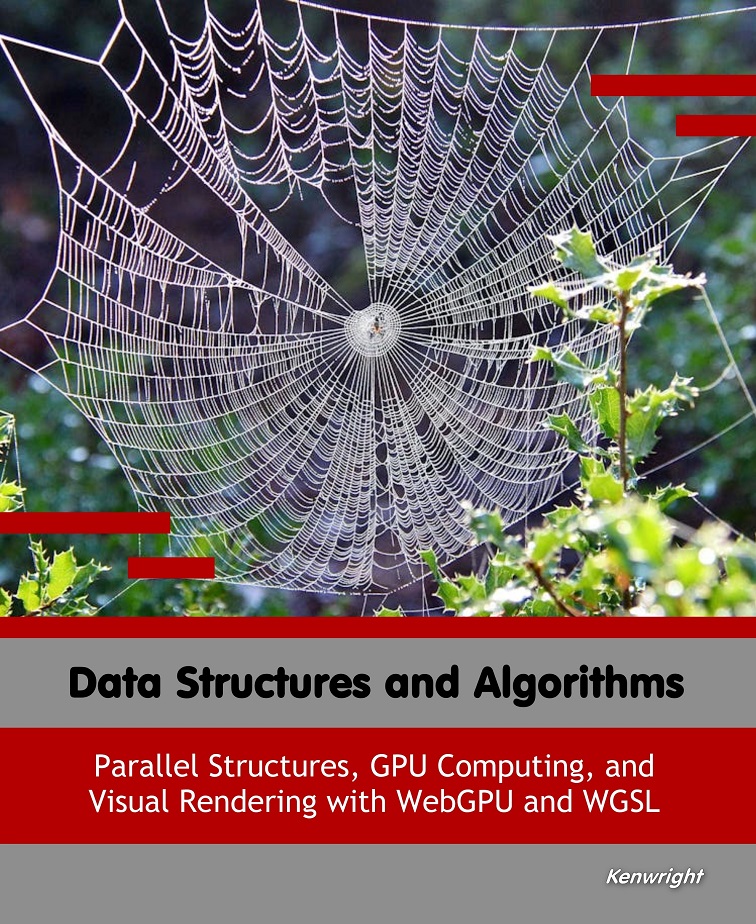
Data Structures and Algorithms: Parallel Structures, GPU Computing, and Visual Rendering with WebGPU and WGSL
Published: October 5, 2025
View Details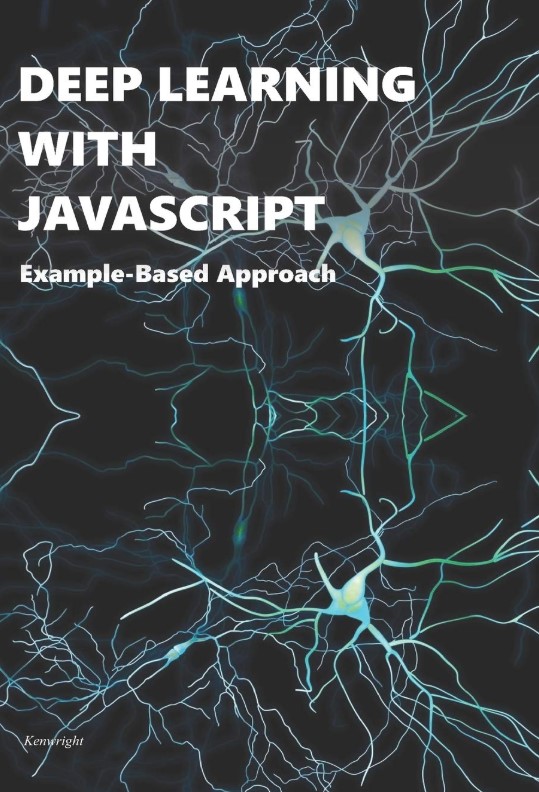
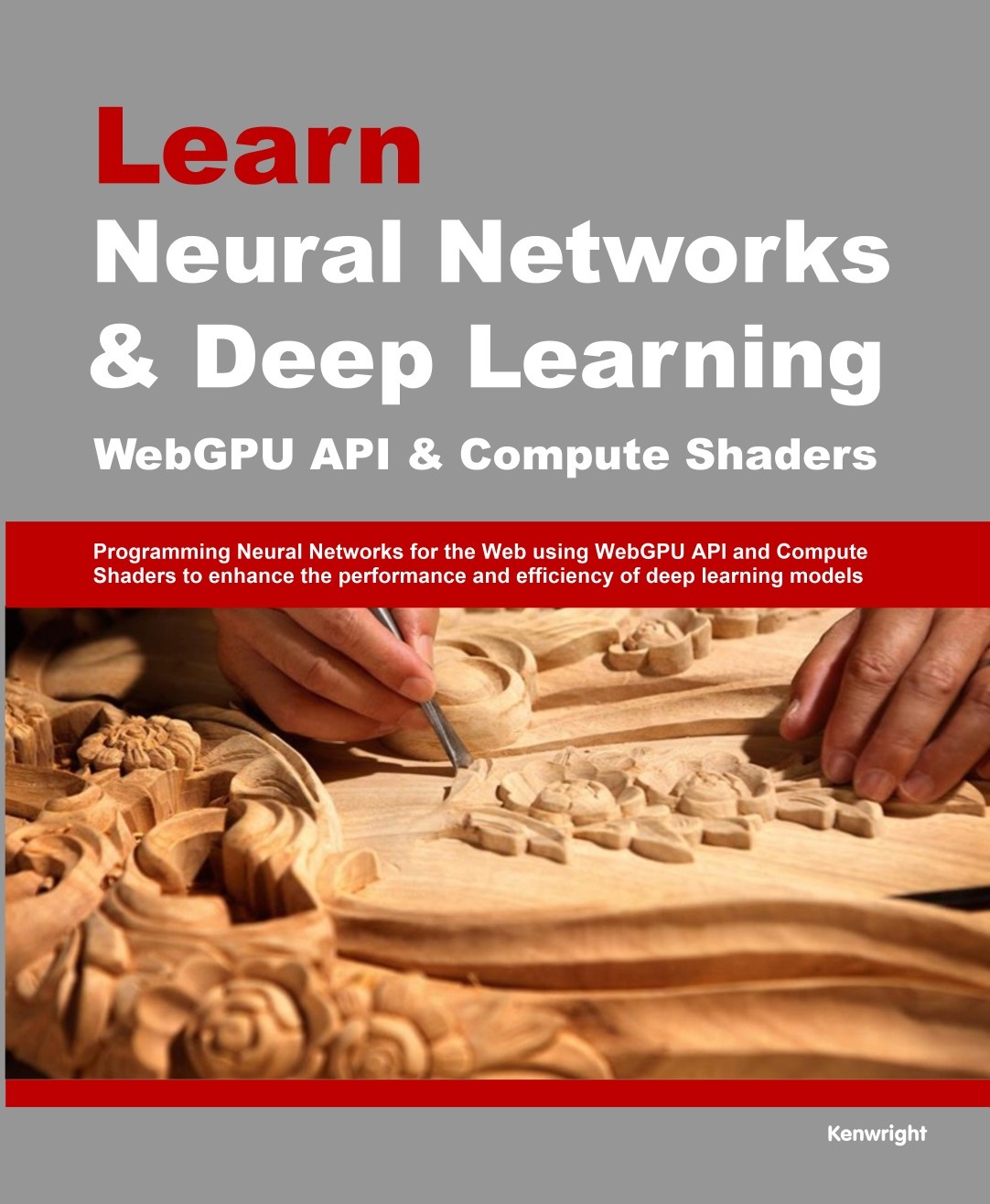
Learn Neural Networks & Deep Learning WebGPU API & Compute Shaders
Published: June 22, 2024
View Details